

Cloudlifter CL-1 Mic Activator
A little metal box that gives gain-hungry dynamic mics +25dB of clean boost. The difference between cranking your interface into hiss territory and a signal that just sounds right.
Check it out on Amazon!A single-channel XLR interface with 75dB of clean gain and Clipguard anti-clipping, so even an SM7B stays loud and never distorts. The catch: the magic lives in Elgato's software.
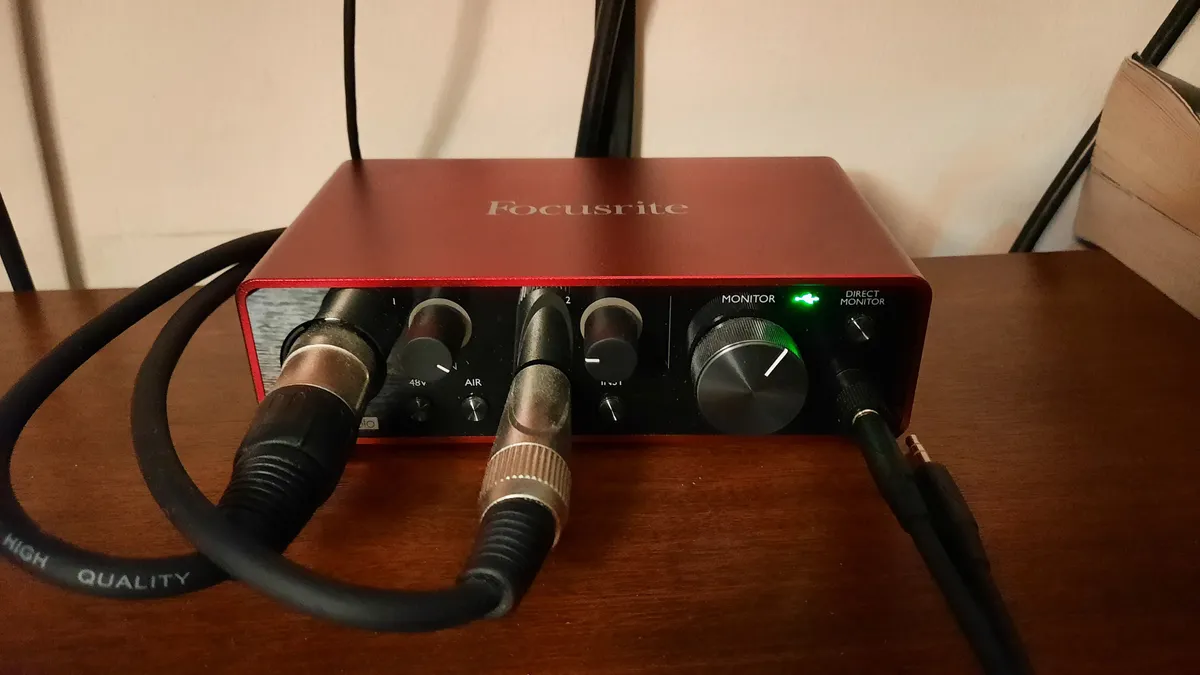
Most audio interfaces are designed for musicians and merely tolerated by streamers. The Wave XLR is the opposite: one XLR input, one USB-C port, and a feature set aimed squarely at a desk with a boom arm on it. The headline is 75dB of clean gain — enough to drive a Shure SM7B properly without bolting a Cloudlifter into the chain, which effectively erases the price gap with cheaper interfaces that would need one.
Clipguard is the other party trick: when you laugh too loud or lean into the mic, a second signal path catches the peaks before they clip, so your VOD doesn’t turn into distortion confetti. Pair it with Wave Link and you get a proper software mixer — mic, game audio, Discord, and music as separate channels you can balance independently for your stream and your headphones. The capacitive mute on the face and Stream Deck integration make it feel like desk infrastructure rather than studio gear.
The honest caveat: it’s a one-trick pony at $200. One channel means no guest mic, no instrument input, no expansion path, and everything interesting about it runs through software that doesn’t exist on Linux. If you ever plan to record two people in a room, buy a 2i2 instead. If your world is one mic, one PC, and an audience, this is the cleanest way to do it.
A little metal box that gives gain-hungry dynamic mics +25dB of clean boost. The difference between cranking your interface into hiss territory and a signal that just sounds right.
Check it out on Amazon!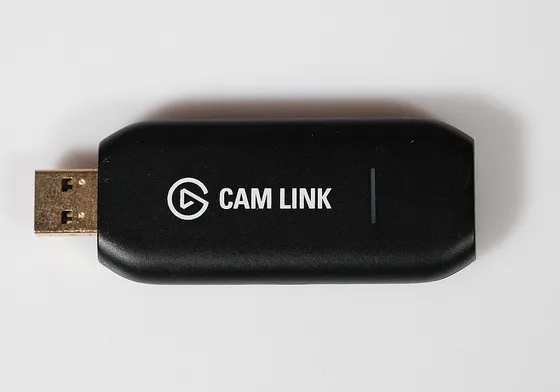
A thumb-drive-sized dongle that turns any camera with clean HDMI out into a 4K webcam. Your mirrorless finally earns its keep on Zoom.
Check it out on Amazon!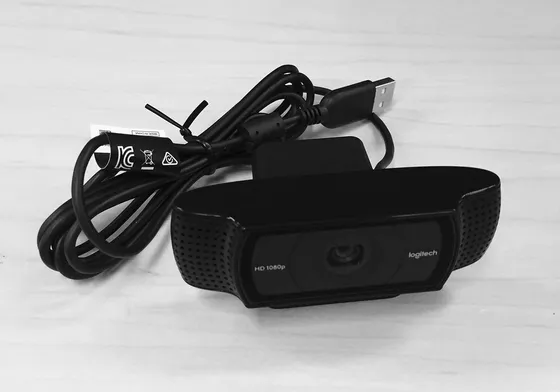
A 1080p60 webcam with a Sony sensor, a prime lens, and DSLR-style software controls. The closest thing to a mirrorless look without buying a mirrorless.
Check it out on Amazon!