

Cloudlifter CL-1 Mic Activator
A little metal box that gives gain-hungry dynamic mics +25dB of clean boost. The difference between cranking your interface into hiss territory and a signal that just sounds right.
Check it out on Amazon!The mic behind half the podcasts and streams you listen to. Smooth, forgiving, radio-ready vocals — if you can feed it enough gain.
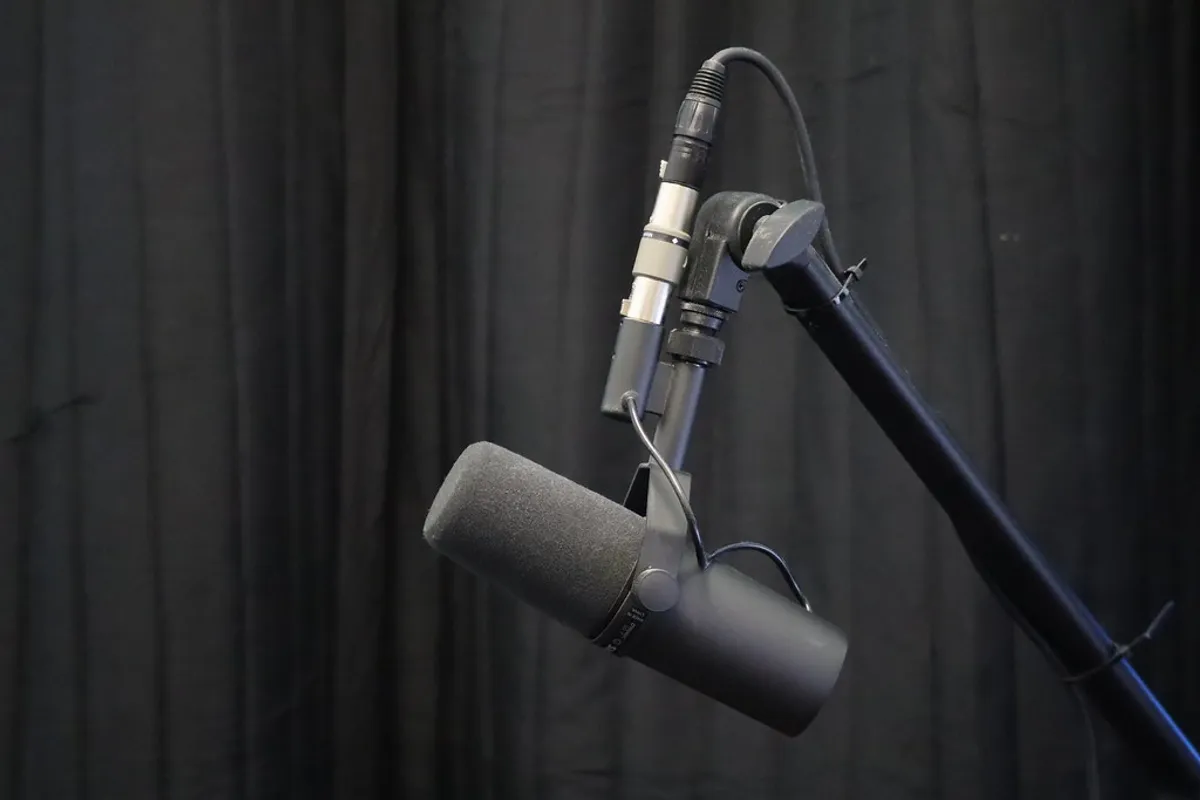
The SM7B is the default answer to ‘what mic do serious podcasters use?’ for a reason. It’s a dynamic broadcast mic with a cardioid pattern that flatters nearly every voice — warm lows, smooth mids, none of the harsh top-end that cheap condensers slap onto sibilance. Point it at your mouth in an untreated room and it still sounds like a studio, because it barely hears anything that isn’t directly in front of it.
That forgiving off-axis rejection is the real superpower for streamers. Keyboard clatter, PC fans, the roommate in the kitchen — the SM7B shrugs at all of it, which is why it survives in echoey bedrooms where a sensitive condenser would drown you in room noise. The built-in bass rolloff and presence-boost switches let you tune the response at the mic instead of fiddling with EQ later, and the internal shock mount means desk bumps don’t thump through the recording.
The honest caveat: this is not a $399 microphone, it’s a $399 down payment. It’s one of the most gain-hungry mics on the market — most budget interfaces run out of clean gain before it’s loud enough, so plan on an inline booster like a Cloudlifter unless your interface has 60dB+ of clean gain. Add an XLR interface and a boom arm sturdy enough to hold its 765 grams, and you’re really spending closer to $600. Worth it if you want the sound everyone recognizes; overkill if you just need to be heard on Discord.
A little metal box that gives gain-hungry dynamic mics +25dB of clean boost. The difference between cranking your interface into hiss territory and a signal that just sounds right.
Check it out on Amazon!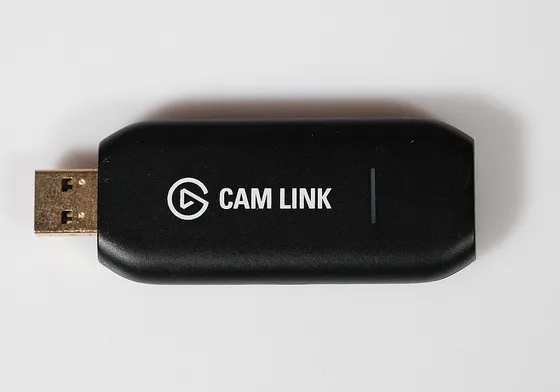
A thumb-drive-sized dongle that turns any camera with clean HDMI out into a 4K webcam. Your mirrorless finally earns its keep on Zoom.
Check it out on Amazon!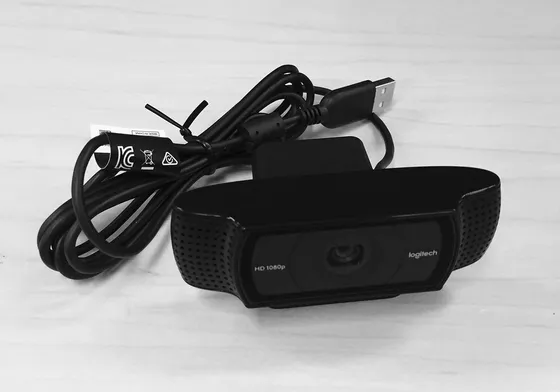
A 1080p60 webcam with a Sony sensor, a prime lens, and DSLR-style software controls. The closest thing to a mirrorless look without buying a mirrorless.
Check it out on Amazon!